New Zealand has long grappled with a persistent productivity gap compared to other advanced economies. Despite our reputation for innovation and resilience, our GDP per capita remains notably lower than many OECD counterparts. That gap shows up as lower wages, reduced business competitiveness and limited public services.
In 2025, the government signalled a renewed focus on economic growth. The Prime Minister emphasised a “relentless focus on unleashing the growth we need to lift incomes, strengthen local businesses and create opportunity”. But bridging the productivity gap takes more than policy. It takes better decisions inside individual businesses, and those depend on good information.
The role of business intelligence in productivity
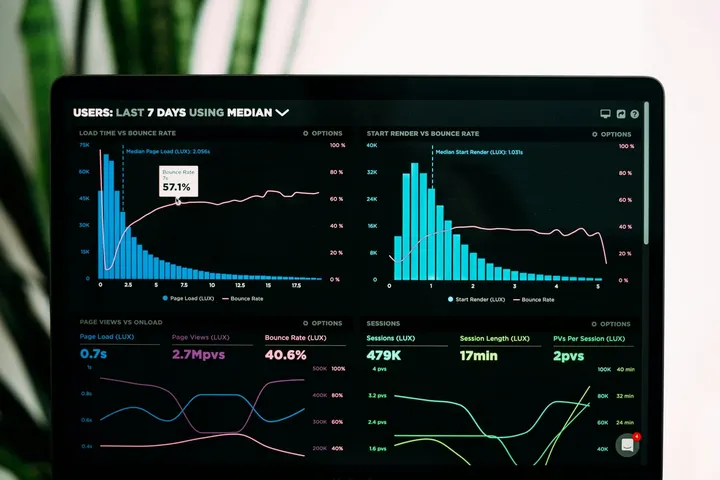
Productivity is less about working harder and more about working smarter. This is where business intelligence (BI) comes in. With good BI, businesses can:
- Identify inefficiencies in operations and processes.
- Make informed decisions based on real data.
- Forecast trends to stay ahead of market shifts.
- Allocate resources more effectively.
For instance, a manufacturer using BI can pinpoint production bottlenecks and focus improvement effort where it matters. A retailer can analyse customer purchasing patterns to optimise inventory and sharpen its sales strategy.
How Precision BI helps
At Precision BI, our purpose is to help businesses make better decisions with their data. We start from each business’s commercial goals and existing systems, and build solutions that:
- Make data accessible, so insights reach the people who need them.
- Work with your existing systems, building on the tools you already own and pay for.
- Keep dashboards up to date, refreshing on a schedule instead of being rebuilt by hand.
The aim is simple: turn raw data into information a business can act on.
Looking ahead
Closing New Zealand’s productivity gap is a collective effort. Government policy sets the stage, but it’s the practical steps taken by individual businesses that drive real change. Making better use of the data you already have is one of the most practical of those steps.
If you’d like to lift your business’s productivity, let’s start the conversation: book an initial consultation.